Skip to product information
Pressure Controlled Silicon Nitride (Si3N4) Split Coin Cell for Coin SSB Research - PSC-SiN

Pressure Controlled Silicon Nitride (Si3N4) Split Coin Cell for Coin SSB Research - PSC-SiN

SKU: pressure-controlled-silicon-nitride-si3n4-split-coin-cell-for-coin-ssb-research-psc-sin

Price: RFQ

Specifications

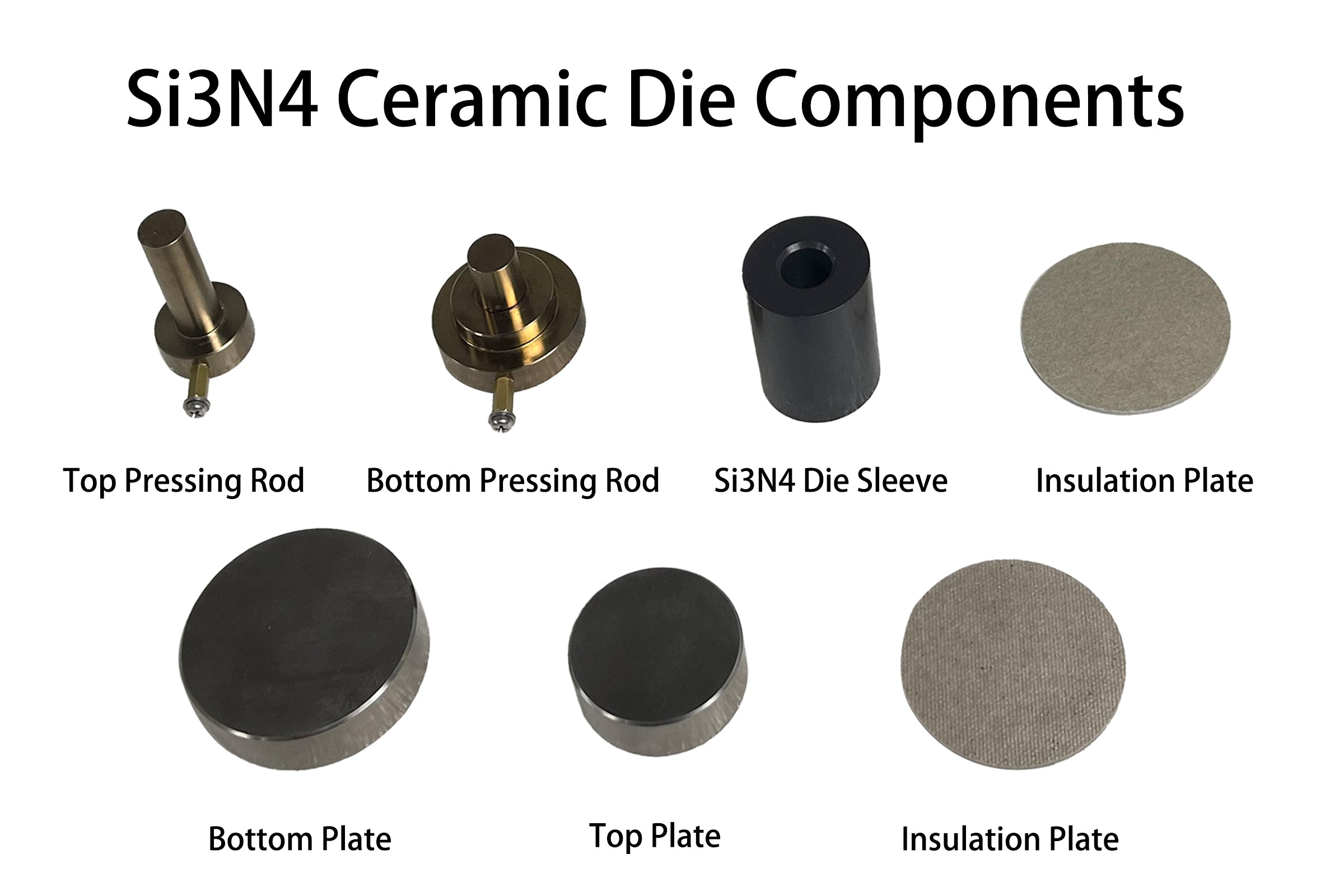
This is a splitable coin cell set with a sleeve made of silicon nitride ( Si3N4) with optional inner diameters of 12mm or 20mm and continued temperature up to 400°C. The split cell can be placed in a lab press with pressure up to 100 MPa and can be added to a heating jacket with a high working temperature up to 250ºC. It is designed to research the effect of pressure on solid-state battery performance and it can also be used for easy coin cell assembling without any screw and crimping tools. SPECIFICATIONS Structure & Material Pushing rods (top and bottom) are made of stain less steel and the sleeve is made of silicon nitride. The sleeve's inner diameter is available with Ø12 mm or Ø 20mm. Easy coin cell assembling without any screw and crimping tools. High working temperatures and pressure applications are available at extra cost. Instructions on How to Use Simply put the electrode, separator, and electrolyte materials into the die with no screws required. Place the die into a compact lab press to apply pressure without crimping (click pics 1-2 to order a lab press). Connect the current leads from the pushing rods to a battery analyzer for testing. You may use a thickness fixture (Pic 3 ) to measure the expansion of the assembled battery during charging & discharging. Work with the digital press to apply pressure ( Pic. 4) Pic. 1 Pic. 2 Pic. 3 Pic. 4 Heating Jacket High working temperature applications are available in the options bar. To test a solid-state cell at heating conditions (<250°C), please select a heatable Si3N4 solid-state cell combination that includes a heating jacket and a temperature control unit on the options bar. Working voltage of the heating Jacket: 220VAC +/- 10% To study the performance of solid-state battery materials under different pressures and temperatures (<150°C) , please refer to the heating and pressurizing analysis system product page. Max. Working Temperature 400ºC Max. Max. Working Pressure 100 MPa Dimensions Click the pic for more details. Demo Video Application Note Purchase a vacuum pen for easy component placement at extra cost. Please view " J. Electrochem. Soc.-2013-Piper-A77-81 " published by Journal of The Electrochemical Society, 160 (1) A77-A81 (2013) for reference

Structure & Material
  • Pushing rods (top and bottom) are made of stainless steel and the sleeve is made of silicon nitride.
  • The sleeve's inner diameter is available with Ø12 mm or Ø20mm.
  • Easy coin cell assembling without any screw and crimping tools.
  • High working temperatures and pressure applications are available at extra cost.
 Instructions on How to Use 
  • Simply put the electrode, separator, and electrolyte materials into the die with no screws required.
  • Place the die into a compact lab press to apply pressure without crimping (click pics 1-2 to order a lab press).
  • Connect the current leads from the pushing rods to a battery analyzer for testing.
  • You may use a thickness fixture (Pic 3 ) to measure the expansion of the assembled battery during charging & discharging.
  • Work with the digital press to apply pressure ( Pic. 4)
 Pic. 1      Pic. 2     Pic. 3     Pic. 4
   
Heating Jacket
  • High working temperature applications are available in the options bar.
    • To test a solid-state cell at heating conditions (<250°C), please select a heatable Si3N4 solid-state cell combination that includes a heating jacket and a temperature control unit on the options bar.
    • Working voltage of the heating Jacket: 220VAC +/- 10%
    • To study the performance of solid-state battery materials under different pressures and temperatures(<150°C), please refer to the heating and pressurizing analysis system product page.      
Max. Working Temperature
  • 400ºC Max.    
Max. Working Pressure 
  • 100 MPa
Dimensions
  Click the pic for more details. 
Demo Video
 
Application Note
  •  
  • Purchase a vacuum pen for easy component placement at extra cost.

You might also like...